2026/03/24
Bind Feeder is developed and sold by ETRIA Company, Ltd., and designed by Ricoh Design as a Ricoh Group product. As this was the first time we designed a product in this category, we worked together with the planning department to understand how pharmacists work and how medicine packaging machines are used, and based our design on these findings. The result was a product that won a 2025 Good Design Award. In this article, let us tell you the story behind its design.
Making medication safe for older people
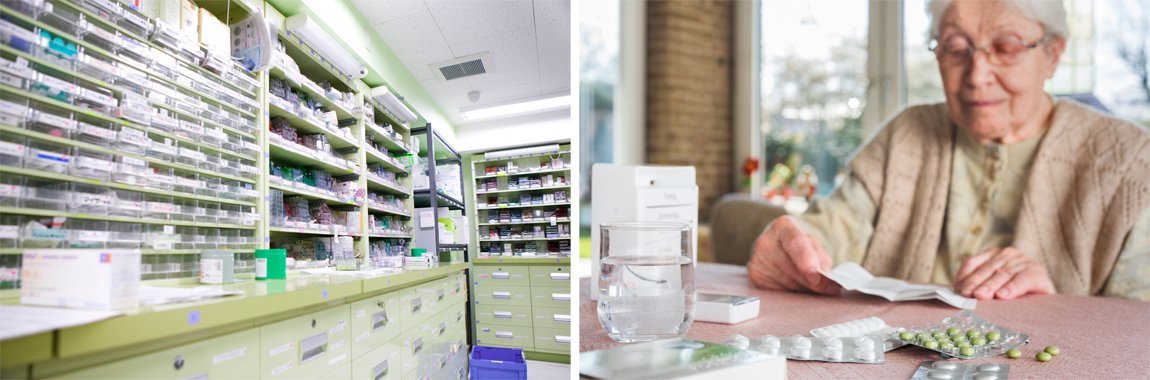
Many older people in care facilities take different medicines at specific times daily. To help them remember, staff organize the pills beforehand for each person. Now, pharmacies prepare these personalized packages before delivering them to the customer.
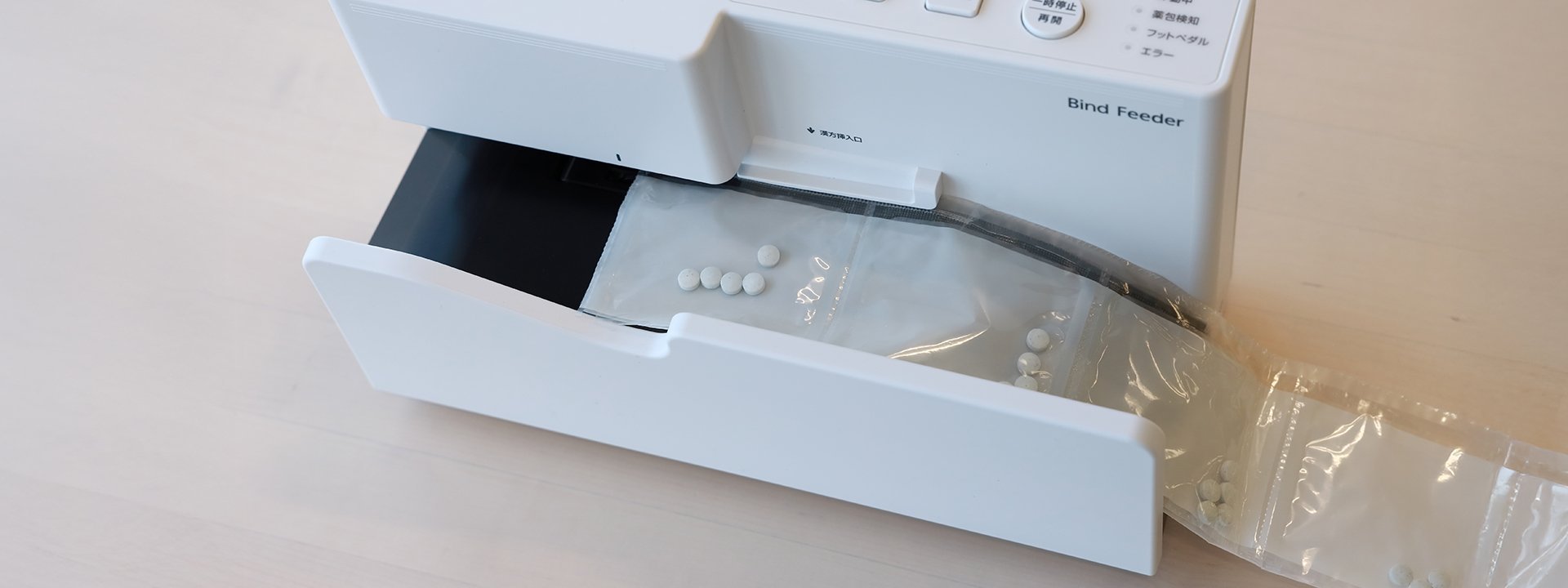
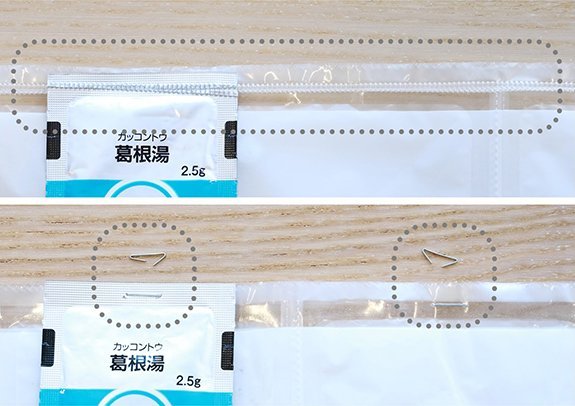
Typically, pills are sorted into individual doses and packed in pouches, which are then manually sealed with staples. To open the pouch, the staple has to be removed. This can tear the pouch, causing the pills to scatter. There is also a risk that the patient might accidentally swallow the staple. To address these problems, ETRIA developed a needle-less medicine pouch binding machine using technology from Ricoh’s multi-function printers.
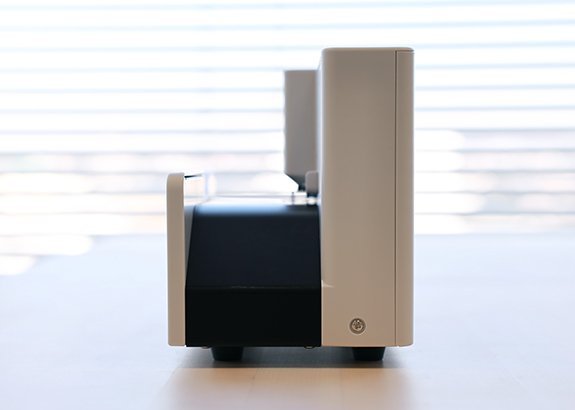
Fitting into a depth of 200 mm
While many medicine pouch binding machines already exist, ETRIA sets out to raise the bar by creating one that not only performs better, but is also more user-friendly for pharmacists.
Through our research, we found that pharmacies are often tight on space, forcing pharmacists to manage tasks on narrow countertops in front of the pharmacy shelves.
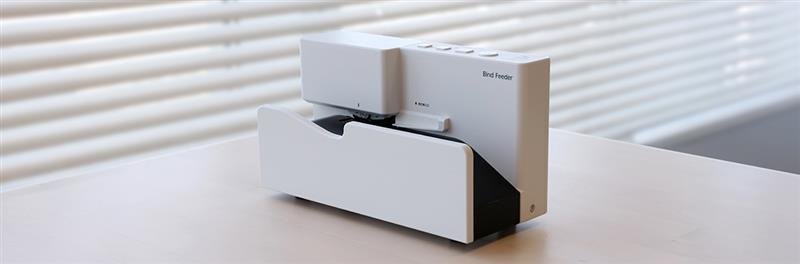
For the pharmacist to use the machine on the countertop, it needs to be small. With some countertops measuring only 200 mm deep, we set this as our goal. Working closely with the engineering department, we designed a compact body that fits the pouch transport unit together with the operation panel into the smallest possible depth, while housing all mechanisms inside. We succeeded in keeping the depth below 130 mm, allowing the machine to sit on the countertop while leaving plenty of room.
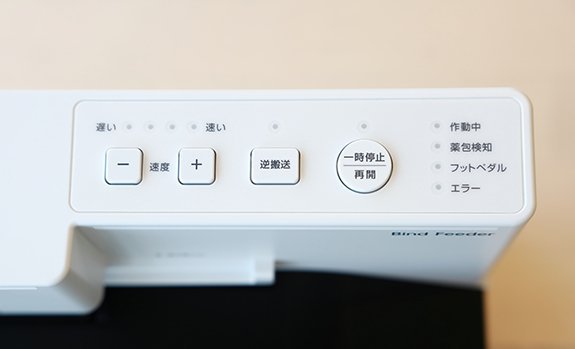
Designing “easy-to-access” and “easy-to-use”
Since medicine packaging is an added service for care facilities, pharmacists typically do it only once or twice a week. The machine comes out when needed and is then stored away until the next time.
A conventional medicine pouch binding machines uses a foot pedal. This frees both hands for the pharmacist to feed the pouches. However, to use the machine you need to set up the foot pedal, and then stow it away after use. Because the pedal sits on the floor and you step on it, it also gets dirty.
This time, we wanted to design a machine that works without a foot pedal. To ensure the operation panel is easy to use, our designers tried different setups until we found the best layout and key choices. We also selected the words carefully. The result was a machine where the foot pedal will not be missed. (But for those of you who still prefer a foot pedal, it remains supported.)
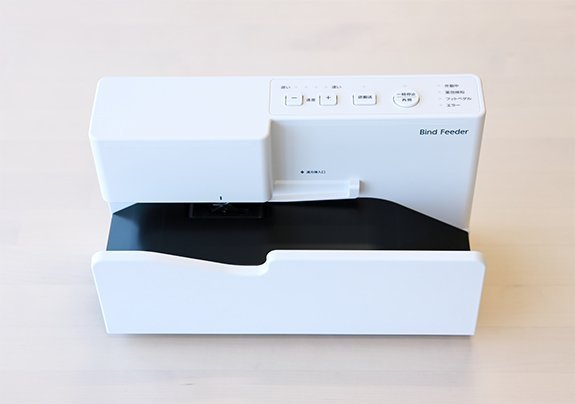
Blending with its surroundings
We chose white for the machine exterior to match the clean look of a pharmacy. The transport section is black to show where to feed the pouches. The black color also helps the operator see the pouch's edge better when aligning it. If pills are dropped, they will be easier to spot on the black surface. Body shape is kept as simple as possible to reduce dust accumulation making it easier to clean.
For everyone working
Ricoh Group and ETRIA remain committed to providing products that support the well-being of customers, including those of us living and working in a super-aging society. Ricoh Design is dedicated to developing designs that make work easier and more comfortable for everyone, in every workplace.
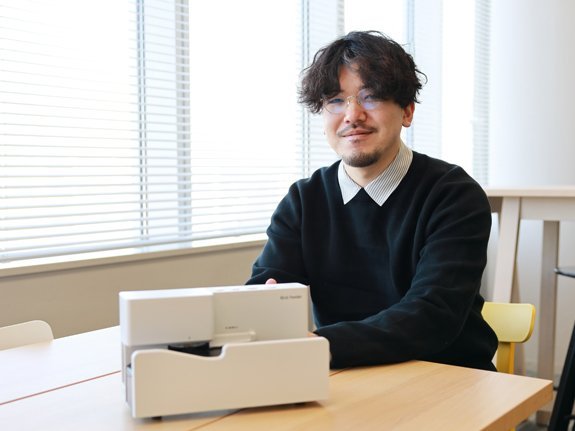
Shunsuke Koda
Product designer. Enjoys gaming and photography in his free time. Designs products that range from desktop devices like this binder, to large-sized commercial printers.

